
Conflicts, whether perceived as minor disagreements or major clashes, carry deeper meanings and potential for change. Regarding your present conflicts and challenges, as a systemic coach, I encourage you to ponder the following questions when faced with conflict. Of course, you do not need to focus on all of them, since some questions may overlap or explore related themes. Allow yourself to explore and get caught by one or a few of them, and see where it brings you:

1. What is this conflict protecting? Conflicts often act as protectors, shielding essential elements within the organization such as people, values, beliefs, or processes. Recognizing what a conflict is defending helps us understand the core values at stake, guiding how we approach resolution and ensure these values are preserved or adapted to suit new organizational realities.
2. What could this conflict be a solution for? At times, conflicts arise as symptomatic responses to deeper, unresolved issues within the organization. By identifying these conflicts as potential solutions, we can trace back to core problems and address systemic issues that might be otherwise overlooked. This perspective shifts the focus from conflict suppression to strategic problem-solving and long-term organizational health.
3. Who or what demands attention through this conflict? This question encourages us to look beyond the obvious and identify hidden stakeholders or underlying issues requiring attention. By bringing these elements into focus, we can provide clarity and direction for conflict resolution processes, ensuring that previously excluded or marginalized voices are considered and integrated into the decision-making framework.
4. What are the underlying interests or needs? Understanding the underlying interests or needs of all parties involved in a conflict can pave the way for more empathetic and productive discussions. This approach not only helps in finding common ground but also in crafting solutions that are deeply resonant with the needs of those affected, thereby enhancing the sustainability of the resolutions.
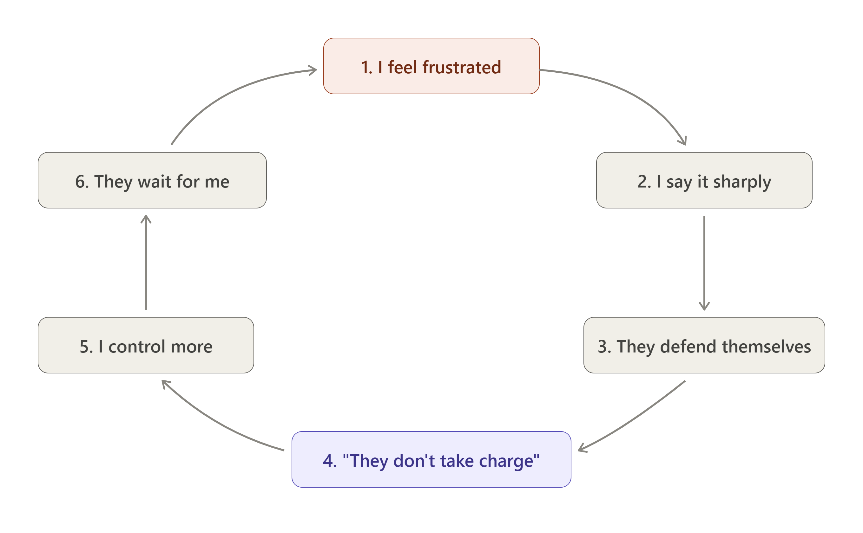
5. What pattern is being repeated? Identifying recurring patterns in conflicts within the organization can provide crucial insights into systemic issues that need addressing. By recognizing these patterns, we can work towards breaking vicious cycles that lead to conflict, implementing preventive measures, and fostering a more adaptive and resilient organizational culture.
6. Where in the organization could this pattern belong? Mapping the conflict to specific areas or functions within the organization, allowing us to pinpoint where systemic changes might be necessary. Understanding this can guide targeted interventions and prevent future issues.
7. What is being threatened through this conflict? Identifying what is at stake in the conflict is crucial. It could be a matter of resources, authority, relationships, or even organizational culture. Knowing what is threatened can prioritize responses and foster understanding among involved parties.
8. If the conflict is resolved, who will benefit? Exploring potential beneficiaries of conflict resolution can motivate stakeholders to find a constructive solution. It encourages a shift from a personal or positional stance to a more collaborative approach, focusing on mutual gains.
9. If the conflict is resolved, who could be harmed? Considering the repercussions of resolving a conflict as it may unintentionally disadvantage certain groups. Acknowledging this helps in designing equitable solutions that minimize negative impacts and support organizational harmony.
10. How are external factors influencing this conflict? External influences such as market pressures, regulatory changes, or social dynamics can escalate or sustain conflicts. Understanding these factors can provide insights into why a conflict persists and guide more effective, context-aware strategies for resolution.
In embracing these systemic questions, our aim is not merely to resolve conflicts but to elevate our understanding and transform our organizational landscape. Each conflict, with its inherent complexities and intertwined interests, invites us to deepen our collective inquiry and learning.
As we engage with these questions, we must remain vigilant to the dynamics of change and the interconnectedness of our actions. It is crucial to approach conflicts not as isolated incidents but as reflections of the broader system, revealing patterns that, once understood, can guide our strategic decisions and innovations.
In the spirit of a learning organization, let us harness the insights gained from these conflicts to foster a culture of sustained learning and improvement. By transforming conflicts into opportunities, we not only resolve immediate issues but also build a stronger, more resilient organizational fabric.
Finally, consider that the path to a truly adaptive and innovative organization lies not in avoiding conflicts but in leveraging them as catalysts for systemic change and growth. Let these questions guide you in uncovering the hidden potentials in every challenge, driving your organization toward a future where every conflict enriches your collective wisdom and capability.
#SystemicChange #HumbleQuestions #SystemicQuestions #SystemicIntelligence #SystemicLeadership #ConflictResolution #ConflictsatWork #OrganizationalLearning #LeadershipDevelopment #ChangeManagement #InnovativeThinking #TeamDynamics #LearningOrganization #StrategicThinking #CultureShift